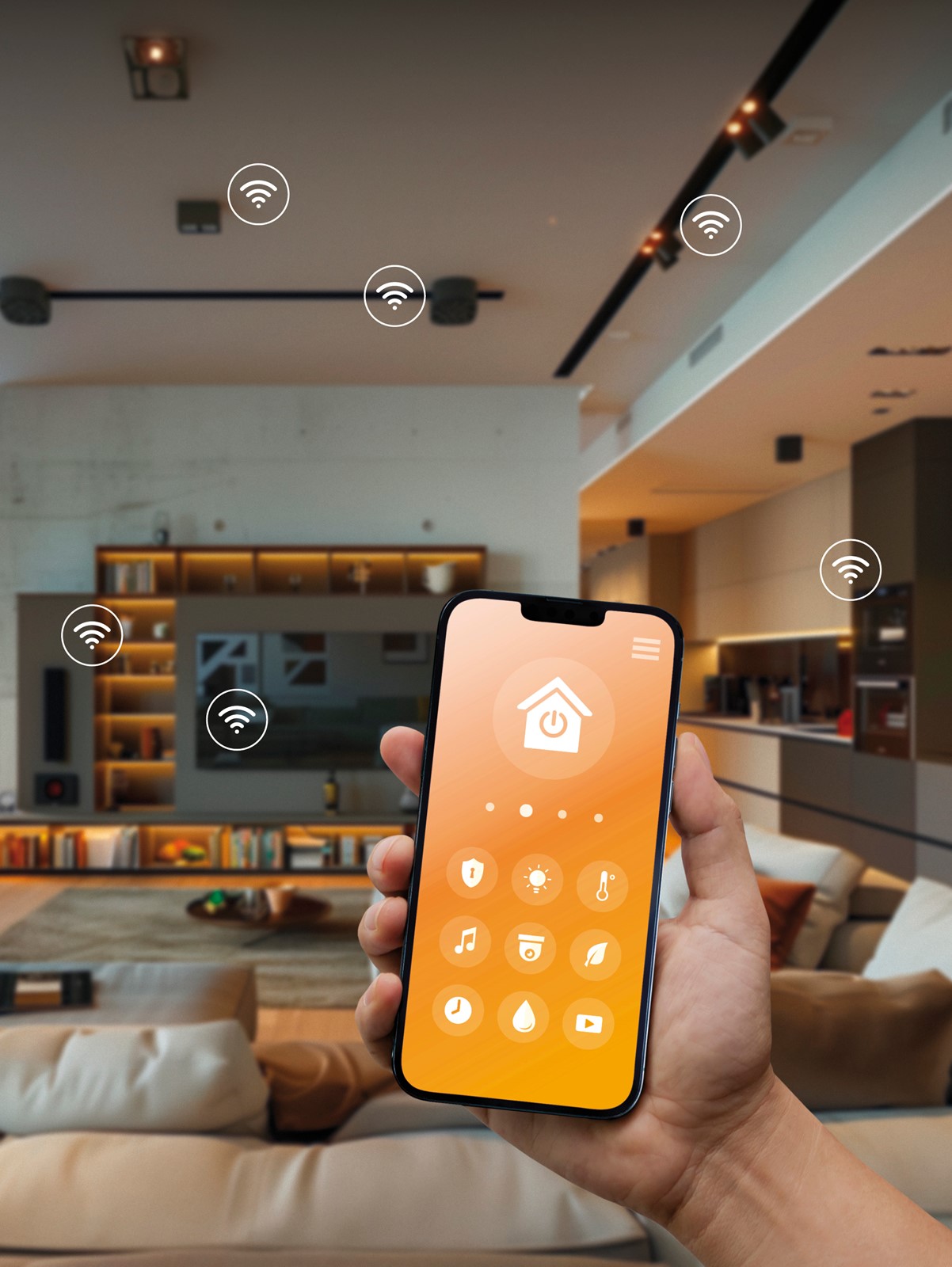
1. Bluetooth
Bluetooth je najčešće korišteni protokoli za komunikaciju između pametnih uređaja i uređaja s Bluetooth-komunikacijom. Njegova jednostavnost i široka kompatibilnost ga čine popularnim izborom. Sveže je da se koristi za povezivanje pametnih čovječaka, pametnih televizora i pametnih asistentnih uređaja. U 2026. sve više pametnih uređaja se povezuju putem Bluetootha, što je omogućilo nove mogućnosti za komunikaciju.
Funkcionalnost i ograničenja
Bluetooth je relativno jednostavan i nekomplikalan, ali ima ograničenja. Njegova funkcija je ograničena na kratku razdaljku, obično do 10 metara. Sveže je da se koristi za povezivanje pametnih čovječaka i pametnih televizora, ali ne za povezivanje pametnih uređaja s pametnim asistentnim uređajem. Neke pametne aplikacije ne podržavaju Bluetooth, što je problem za korisnike koji koriste pametne uređaje s različitim aplikacijama.
2. Wi-Fi
Wi-Fi je najčešće korišteni protokoli za komunikaciju između pametnih uređaja i uređaja s Wi-Fi-komunikacijom. Njegova fleksibilnost i široka kompatibilnost ga čine popularnim izborom. U 2026. sve više pametnih uređaja se povezuju putem Wi-Fi, što je omogućilo nove mogućnosti za komunikaciju.
Tipovi Wi-Fi
Postoje različiti tipovi Wi-Fi, uključujući 802.11 a/b/g/n/ac. 802.11 a je najčešće korišten tip Wi-Fi, a 802.11n je najbrži tip Wi-Fi. U 2026. sve više pametnih uređaja se povezuju putem Wi-Fi, što je omogućilo nove mogućnosti za komunikaciju.
3. NFC (Near Field Communication)
NFC je protokol za komunikaciju između pametnih uređaja i uređaja s NFC-komunikacijom. Njegova brza brzina i jednostavnost ga čine popularnim izborom za plaćanje i druge aktivnosti. U 2026. sve više pametnih uređaja se povezuju putem NFC, što je omogućilo nove mogućnosti za komunikaciju.
Primjeri primjene
NFC se koristi za plaćanje u trgovinama, za otključavanje pametnih uređaja i za druge aktivnosti. U 2026. sve više pametnih uređaja se povezuju putem NFC, što je omogućilo nove mogućnosti za komunikaciju.
4. Zigbee
Zigbee je protokol za komunikaciju između pametnih uređaja i uređaja s Zigbee-komunikacijom. Njegova brza brzina i niskog utjecaja na bateriju ga čine popularnim izborom za pametne domove. U 2026. sve više pametnih uređaja se povezuju putem Zigbee, što je omogućilo nove mogućnosti za komunikaciju.
Primjeri primjene
Zigbee se koristi za pametne domove, za pametne automatske vrata i za druge aktivnosti. U 2026. sve više pametnih uređaja se povezuju putem Zigbee, što je omogućilo nove mogućnosti za komunikaciju.
5. Coaptch
Coaptch je protokol za komunikaciju između pametnih uređaja i uređaja s Coaptch-komunikacijom. Njegova brza brzina i široka kompatibilnost ga čine popularnim izborom za aplikacije i web stranice. U 2026. sve više pametnih uređaja se povezuju putem Coaptch, što je omogućilo nove mogućnosti za komunikaciju.
Primjeri primjene
Coaptch se koristi za povezivanje aplikacija i web stranica, kao i za druge aktivnosti. U 2026. sve više pametnih uređaja se povezuju putem Coaptch, što je omogućilo nove mogućnosti za komunikaciju.
6. UWB (Ultra-Wideband)
UWB je protokol za komunikaciju između pametnih uređaja i uređaja s UWB-komunikacijom. Njegova brza brzina i visokog razdaljke ga čine popularnim izborom za pametne automatske vrata i druge aktivnosti. U 2026. sve više pametnih uređaja se povezuju putem UWB, što je omogućilo nove mogućnosti za komunikaciju.
Primjeri primjene
UWB se koristi za pametne automatske vrata, za pametne kamere i za druge aktivnosti. U 2026. sve više pametnih uređaja se povezuju putem UWB, što je omogućilo nove mogućnosti za komunikaciju.
7. Bluetooth Mesh
Bluetooth Mesh je protokol za komunikaciju između pametnih uređaja i uređaja s Bluetooth Mesh-komunikacijom. Njegova fleksibilnost i široka kompatibilnost ga čine popularnim izborom za pametne domove. U 2026. sve više pametnih uređaja se povezuju putem Bluetooth Mesh, što je omogućilo nove mogućnosti za komunikaciju.
Primjeri primjene
Bluetooth Mesh se koristi za pametne domove, za pametne automatske vrata i za druge aktivnosti. U 2026. sve više pametnih uređaja se povezuju putem Bluetooth Mesh, što je omogućilo nove mogućnosti za komunikaciju.
8. LoRaWAN
LoRaWAN je protokol za komunikaciju između pametnih uređaja i uređaja s LoRaWAN-komunikacijom. Njegova brza brzina i niskog utjecaja na bateriju ga čine popularnim izborom za pametne domove. U 2026. sve više pametnih uređaja se povezuju putem LoRaWAN, što je omogućilo nove mogućnosti za komunikaciju.
Primjeri primjene
LoRaWAN se koristi za pametne domove, za pametne automatske vrata i za druge aktivnosti. U 2026. sve više pametnih uređaja se povezuju putem LoRaWAN, što je omogućilo nove mogućnosti za komunikaciju.
9. MQTT (Message Queuing Telemetry Transport)
MQTT je protokol za komunikaciju između pametnih uređaja i uređaja s MQTT-komunikacijom. Njegova brza brzina i niskog utjecaja na bateriju ga čine popularnim izborom za pametne domove. U 2026. sve više pametnih uređaja se povezuju putem MQTT, što je omogućilo nove mogućnosti za komunikaciju.
Primjeri primjene
MQTT se koristi za pametne domove, za pametne automatske vrata i za druge aktivnosti. U 2026. sve više pametnih uređaja se povezuju putem MQTT, što je omogućilo nove mogućnosti za komunikaciju.
10. CoAP (Constrained Application Protocol)
CoAP je protokol za komunikaciju između pametnih uređaja i uređaja s CoAP-komunikacijom. Njegova brza brzina i niskog utjecaja na bateriju ga čine popularnim izborom za pametne domove. U 2026. sve više pametnih uređaja se povezuju putem CoAP, što je omogućilo nove mogućnosti za komunikaciju.
Primjeri primjene
CoAP se koristi za pametne domove, za pametne automatske vrata i za druge aktivnosti. U 2026. sve više pametnih uređaja se povezuju putem CoAP, što je omogućilo nove mogućnosti za komunikaciju.
11. Cloud-Based Communication
Cloud-based communication involves using a third-party provider to handle communication between devices. This can include services like Microsoft Teams, Google Meet, or dedicated communication platforms. The benefits include scalability, ease of use, and integration with other cloud services. In 2026, this trend is expected to continue as more devices and applications integrate with cloud-based communication solutions. This is particularly relevant for businesses looking to streamline communication and collaboration across their workforce.
Benefits of Cloud-Based Communication
Cloud-based communication offers several advantages, including improved collaboration, enhanced security, and reduced IT costs. It also allows for seamless integration with other cloud services, streamlining workflows and improving productivity. In 2026, this trend is expected to continue as more businesses adopt cloud-based communication solutions.
12. IoT (Internet of Things)
IoT is a broad concept encompassing the network of physical devices – such as sensors, actuators, and appliances – embedded with electronics, software, and sensors, enabling them to collect and exchange data over the internet. It’s a fundamental technology driving many of the advancements we’re seeing in smart homes, wearables, and industrial automation. In 2026, the IoT market is projected to reach trillions of dollars, with a continued focus on enhancing connectivity, security, and interoperability.
Key Trends in IoT
Several key trends are shaping the future of IoT, including the rise of edge computing, the increasing use of AI and machine learning, and the growing demand for privacy-preserving IoT solutions. In 2026, these trends are expected to converge, creating a more intelligent and responsive IoT ecosystem.
13. Blockchain
Blockchain is a decentralized, distributed, and immutable ledger that records transactions in a secure and transparent manner. While often associated with cryptocurrencies, its applications extend far beyond finance. In 2026, blockchain technology is being explored for supply chain management, digital identity, and secure data sharing. It offers enhanced security and traceability, reducing fraud and improving trust.
Use Cases for Blockchain
Blockchain is being used in a variety of industries, including healthcare, retail, and logistics. It can be used to track products, verify identities, and automate processes. In 2026, blockchain is expected to become increasingly prevalent as organizations seek to improve transparency and efficiency.
14. 5G
5G is the fifth generation of wireless technology, offering significantly faster speeds, lower latency, and increased capacity compared to previous generations. It’s enabling new applications such as autonomous vehicles, augmented reality, and the Internet of Things. In 2026, 5G is expected to become the dominant wireless technology, driving innovation across numerous sectors.
Benefits of 5G
5G offers several key benefits, including faster download and upload speeds, lower latency, and increased network capacity. It’s enabling new applications that were previously impossible, such as autonomous vehicles and remote surgery. In 2026, 5G is expected to be the foundation for a new era of connectivity.
15. Edge Computing
Edge computing involves processing data closer to the source – rather than sending it to a centralized cloud server – using devices like smartphones, sensors, and industrial equipment. This reduces latency, improves bandwidth utilization, and enhances security. In 2026, edge computing is expected to become increasingly important as data volumes continue to grow and applications demand real-time responsiveness.
Benefits of Edge Computing
Edge computing offers several advantages, including reduced latency, improved bandwidth utilization, and enhanced security. It’s particularly beneficial for applications that require real-time processing, such as autonomous vehicles and industrial automation. In 2026, edge computing is expected to be a key enabler for a wide range of new applications.
16. AI-Powered Communication
AI is increasingly being integrated into communication systems to improve efficiency, personalization, and security. This includes using AI-powered chatbots for customer service, sentiment analysis for social media monitoring, and voice recognition for virtual assistants. In 2026, AI-powered communication will become even more pervasive, transforming the way we interact with technology and each other.
AI Applications in Communication
AI is being used in a variety of communication applications, including chatbots, sentiment analysis, and voice recognition. It’s improving customer service, monitoring social media, and enhancing virtual assistants. In 2026, AI will continue to drive innovation in communication, creating more personalized and efficient experiences.
17. Voice Assistants
Voice assistants like Siri, Alexa, and Google Assistant are becoming increasingly popular, allowing users to interact with devices and services using voice commands. They’re transforming how we access information, control our homes, and communicate. In 2026, voice assistants will continue to evolve, becoming more intelligent and capable.
Voice Assistant Trends
Several trends are shaping the future of voice assistants, including improved natural language processing, increased integration with other devices, and the development of new voice commands. In 2026, voice assistants will be even more seamlessly integrated into our lives.
18. Augmented Reality (AR)
Augmented reality overlays digital information onto the real world, enhancing our perception of reality. It’s used in gaming, retail, and industrial applications. In 2026, AR is expected to become more immersive and practical, blurring the lines between the physical and digital worlds.
AR Applications
AR is being used in a variety of applications, including gaming, retail, and industrial automation. It’s enhancing our perception of reality, providing interactive experiences, and improving productivity. In 2026, AR will become even more prevalent as it becomes more accessible and user-friendly.
19. Virtual Reality (VR)
Virtual reality creates immersive, simulated environments, allowing users to interact with digital content as if they were physically present. It’s used in gaming, training, and healthcare. In 2026, VR is expected to become more realistic and accessible, with wider adoption across various industries.
VR Applications
VR is being used in a variety of applications, including gaming, training, and healthcare. It’s providing immersive experiences, enhancing learning, and improving patient care. In 2026, VR will continue to evolve, offering new and innovative applications.
20. Biometric Authentication
Biometric authentication uses unique biological traits – such as fingerprints, facial recognition, and voice – to verify identity. It’s becoming increasingly popular for security and access control. In 2026, biometric authentication will become even more sophisticated, with wider adoption across various industries.
Biometric Authentication Benefits
Biometric authentication offers enhanced security, improved convenience, and a more personalized experience. It’s becoming increasingly important for protecting sensitive data and controlling access to resources. In 2026, biometric authentication will continue to be a key element of digital security.
21. Predictive Analytics
Predictive analytics uses historical data and machine learning algorithms to forecast future trends and outcomes. It’s used in marketing, finance, and healthcare. In 2026, predictive analytics will become even more sophisticated, enabling businesses to make more informed decisions.
Predictive Analytics Applications
Predictive analytics is being used in a variety of industries, including marketing, finance, and healthcare. It’s helping businesses optimize operations, improve customer experiences, and reduce risks. In 2026, predictive analytics will continue to drive innovation and efficiency.
22. Digital Twins
A digital twin is a virtual representation of a physical object or system. It’s constantly updated with real-time data, allowing for simulation, analysis, and optimization. In 2026, digital twins will become increasingly prevalent, enabling businesses to improve operations and reduce costs.
Digital Twin Benefits
Digital twins offer numerous benefits, including improved efficiency, reduced downtime, and enhanced decision-making. They’re being used in a variety of industries, from manufacturing to healthcare. In 2026, digital twins will be a key enabler for digital transformation.
23. Decentralized Identity
Decentralized identity (DID) is a system that allows individuals to control their own digital identities, rather than relying on centralized providers. It’s based on blockchain technology. In 2026, decentralized identity will become increasingly popular, empowering users and enhancing privacy.
Decentralized Identity Benefits
Decentralized identity offers enhanced privacy, improved security, and greater control over personal data. It’s becoming increasingly important as users demand greater autonomy over their digital identities. In 2026, decentralized identity will be a key element of the future of digital identity.
24. Cybersecurity
Cybersecurity encompasses a broad range of measures designed to protect computer systems and networks from cyber threats. It includes things like firewalls, intrusion detection systems, and data encryption. In 2026, cybersecurity will continue to be a top priority, with an increasing number of sophisticated cyberattacks.
Cybersecurity Trends
Several key trends are shaping the future of cybersecurity, including the rise of ransomware, the increasing use of AI in cybersecurity, and the growing importance of zero-trust security. In 2026, cybersecurity will be even more complex and challenging.
25. Quantum Computing
Quantum computing is a new type of computing that uses the principles of quantum mechanics to solve complex problems. It’s still in its early stages of development, but it has the potential to revolutionize many industries. In 2026, quantum computing is expected to become a significant factor in scientific research and technological innovation.
Quantum Computing Potential
Quantum computing has the potential to revolutionize fields like drug discovery, materials science, and financial modeling. It’s still a nascent technology, but it’s already showing promise. In 2026, quantum computing will likely be used to solve some of the world’s most challenging problems.
26. Sustainable Technology
Sustainable technology refers to technologies that minimize environmental impact and promote resource efficiency. This includes renewable energy, energy-efficient appliances, and smart grids. In 2026, sustainable technology will become even more critical as the world faces climate change.
Sustainable Technology Examples
Sustainable technology includes solar panels, wind turbines, electric vehicles, and smart home devices. It’s helping to reduce carbon emissions and protect the environment. In 2026, sustainable technology will be essential for achieving a sustainable future.
27. Blockchain for Supply Chain
Blockchain is being used to improve transparency and traceability in supply chains. It’s tracking products from origin to consumer, ensuring authenticity and reducing fraud. In 2026, blockchain will become even more integrated into supply chains, providing greater visibility and control.
Blockchain in Supply Chain Benefits
Blockchain improves supply chain transparency, reduces fraud, and enhances efficiency. It’s becoming increasingly important for businesses seeking to build trust and resilience in their supply chains. In 2026, blockchain will be a key enabler for more resilient and sustainable supply chains.
28. The Metaverse
The metaverse is a persistent, shared virtual world that users can access through various devices. It’s still in its early stages of development, but it has the potential to transform how we interact with technology and each other. In 2026, the metaverse is expected to become a significant part of our lives.
Metaverse Trends
Several trends are shaping the future of the metaverse, including virtual reality, augmented reality, and blockchain technology. It’s offering new opportunities for entertainment, education, and commerce. In 2026, the metaverse will likely be a more immersive and interactive experience.
29. Personalized Medicine
Personalized medicine uses data and technology to tailor medical treatments to individual patients. It’s based on genetic information, lifestyle factors, and medical history. In 2026, personalized medicine will become even more prevalent, leading to more effective and targeted treatments.
Personalized Medicine Benefits
Personalized medicine improves treatment outcomes, reduces side effects, and enhances patient engagement. It’s becoming increasingly important as we learn more about the complex interplay of genes and environment. In 2026, personalized medicine will be a key driver of healthcare innovation.
30. Smart Cities
Smart cities use technology to improve the quality of life for residents. It includes things like smart traffic management, smart energy grids, and smart waste management. In 2026, smart cities will become even more prevalent, transforming urban environments.
Smart City Applications
Smart cities utilize sensors, data analytics, and automation to improve efficiency, sustainability, and safety. It’s helping to create more livable and resilient urban environments. In 2026, smart cities will be increasingly integrated into our daily lives.
31. Sustainable Agriculture
Sustainable agriculture uses farming practices that minimize environmental impact and promote biodiversity. It includes things like organic farming, precision agriculture, and vertical farming. In 2026, sustainable agriculture will become even more important as the world’s population grows.
Sustainable Agriculture Benefits
Sustainable agriculture improves soil health, reduces water usage, and protects biodiversity. It’s helping to ensure food security and protect the environment. In 2026, sustainable agriculture will be a key element of a resilient food system.
32. The Rise of the Creator Economy
The creator economy is a rapidly growing sector where individuals can monetize their skills and content through platforms like YouTube, TikTok, and Instagram. It’s empowering individuals to build businesses and pursue their passions. In 2026, the creator economy will continue to grow, creating new opportunities for innovation and entrepreneurship.
Creator Economy Trends
Several trends are shaping the future of the creator economy, including micro-influencers, NFTs, and decentralized content platforms. It’s offering new ways for individuals to connect with audiences and monetize their content. In 2026, the creator economy will be even more diverse and dynamic.
33. The Internet of Things (IoT)
The Internet of Things (IoT) refers to the network of physical devices – such as sensors, actuators, and appliances – that are connected to the internet. It’s enabling new levels of automation and data collection. In 2026, IoT will become even more pervasive, transforming industries and our daily lives.
IoT Applications
IoT applications include smart homes, industrial automation, and healthcare monitoring. It’s helping to improve efficiency, reduce costs, and enhance safety. In 2026, IoT will be a fundamental part of our connected world.
34. Blockchain for Supply Chain
Blockchain technology is being used to improve transparency and traceability in supply chains. It’s tracking products from origin to consumer, ensuring authenticity and reducing fraud. In 2026, blockchain will become even more integrated into supply chains, providing greater visibility and control.
Blockchain in Supply Chain Benefits
Blockchain improves supply chain transparency, reduces fraud, and enhances efficiency. It’s becoming increasingly important for businesses seeking to build trust and resilience in their supply chains. In 2026, blockchain will be a key enabler for more resilient and sustainable supply chains.
35. AI-Powered Cybersecurity
AI is being used to improve cybersecurity by detecting and responding to threats more quickly and effectively. It’s analyzing data, identifying patterns, and automating responses. In 2026, AI-powered cybersecurity will become even more prevalent, protecting businesses and individuals from cyberattacks.
AI in Cybersecurity Benefits
AI enhances cybersecurity by detecting and responding to threats more quickly and effectively. It’s reducing the risk of data breaches and protecting sensitive information. In 2026, AI will be a critical component of a robust cybersecurity strategy.
36. The Future of Remote Work
Remote work is becoming increasingly popular, with many employees working from home or other remote locations. It offers flexibility and improved work-life balance. In 2026, remote work will continue to grow, transforming the way we work and live.
Remote Work Trends
Several trends are shaping the future of remote work, including virtual reality, collaboration tools, and cybersecurity. It’s offering new opportunities for productivity and employee satisfaction. In 2026, remote work will be even more integrated into our lives.
37. The Ethical Implications of AI
As AI becomes more powerful, it’s important to consider the ethical implications. It’s ensuring that AI is used responsibly and does not perpetuate bias or discrimination. In 2026, the ethical implications of AI will be a major focus of research and policy.
Ethical AI Considerations
Ethical AI considerations include fairness, transparency, accountability, and privacy. It’s ensuring that AI systems are aligned with human values and do not cause harm. In 2026, ethical AI will be a central topic of discussion and regulation.
38. The Role of Data Privacy
Data privacy is becoming increasingly important as we generate and collect more data. It’s protecting individuals’ personal information and ensuring that it’s used responsibly. In 2026, data privacy will be a top priority for businesses and governments.
Data Privacy Challenges
Data privacy challenges include data breaches, identity theft, and surveillance. It’s ensuring that individuals have control over their data and that it’s protected from misuse. In 2026, data privacy will be a critical regulatory issue.
39. The Impact of Climate Change
Climate change is having a significant impact on the world, and it’s creating new challenges for businesses and individuals. It’s requiring us to adapt to a changing climate and reduce our carbon footprint. In 2026, the impact of climate change will be even more pronounced.
Climate Change Solutions
Climate change solutions include renewable energy, energy efficiency, and carbon capture. It’s helping to mitigate the effects of climate change and build a more sustainable future. In 2026, the impact of climate change will be even more pronounced.
40. The Rise of Personalized Education
Personalized education is adapting to the needs of individual learners. It’s using technology to tailor instruction and provide individualized support. In 2026, personalized education will become even more prevalent, transforming the way we learn.
Personalized Education Trends
Several trends are shaping the future of personalized education, including adaptive learning platforms, AI tutors, and gamified learning experiences. It’s offering new ways for learners to engage with education and achieve their full potential. In 2026, personalized education will be a core component of the educational system.
41. The Metaverse as a Learning Tool
The metaverse is being explored as a tool for education, offering immersive and interactive learning experiences. It’s allowing students to explore complex concepts in a more engaging way. In 2026, the metaverse will be a significant part of the educational landscape.
Metaverse Learning Applications
Metaverse learning applications include virtual field trips, simulations, and collaborative projects. It’s offering new ways for students to learn and collaborate. In 2026, the metaverse will be a key platform for education.
42. The Growing Importance of Mental Health
Mental health is becoming increasingly recognized as a critical aspect of overall well-being. It’s providing resources and support for individuals struggling with mental health challenges. In 2026, mental health will be a top priority for individuals and communities.
Mental Health Trends
Several trends are shaping the future of mental health, including telehealth, mindfulness apps, and peer support networks. It’s offering new ways for individuals to access mental health care and support. In 2026, mental health will be a central focus of public health initiatives.
43. The Decentralized Web
The decentralized web is a vision of a web that is not controlled by a single entity. It’s empowering users with greater control over their data and online experiences. In 2026, the decentralized web will become increasingly prevalent.
Decentralized Web Technologies
Decentralized web technologies include blockchain, distributed ledger technology, and peer-to-peer networks. It’s offering new ways for users to interact with the web and share data. In 2026, the decentralized web will be a significant force in the digital landscape.
44. The Future of Work – Hybrid Models
Hybrid work models, combining remote and in-office work, are becoming increasingly popular. It offers flexibility and improved work-life balance. In 2026, hybrid work models will be the norm.
Hybrid Work Trends
Several trends are shaping the future of hybrid work, including virtual collaboration tools, flexible schedules, and employee wellness programs. It’s offering new ways for companies and employees to work together. In 2026, hybrid work models will be deeply ingrained in the workplace.
45. The Impact of AI on Creativity
AI is being used to augment human creativity, rather than replace it. It’s providing new tools and techniques for artists, writers, and musicians. In 2026, AI will be an integral part of the creative process.
AI and Creativity
AI is being used to generate new ideas, create variations, and automate repetitive tasks. It’s empowering creatives to explore new possibilities. In 2026, AI will be a powerful tool for creative expression.
46. The Rise of the Creator Economy
The creator economy is booming, with individuals building businesses and content through online platforms. It’s offering new opportunities for income and fulfillment. In 2026, the creator economy will continue to grow.
Creator Economy Growth
Several trends are shaping the future of the creator economy, including micro-influencers, NFTs, and decentralized platforms. It’s offering new ways for individuals to connect with audiences and monetize their content. In 2026, the creator economy will be a dominant force.
47. The Importance of Data Ethics
Data ethics is a growing field focused on ensuring that data is used responsibly and ethically. It’s protecting individuals’ privacy and preventing bias. In 2026, data ethics will be a critical consideration.
Data Ethics Challenges
Data ethics challenges include data bias, privacy violations, and algorithmic discrimination. It’s ensuring that data is used fairly and transparently. In 2026, data ethics will be a central focus of policy and regulation.
48. The Role of Digital Literacy
Digital literacy is the ability to use technology effectively and critically. It’s essential for navigating the digital world and participating in society. In 2026, digital literacy will be a fundamental skill.
Digital Literacy Needs
Digital literacy needs include critical thinking, information evaluation, and online safety. It’s empowering individuals to be informed and engaged citizens. In 2026, digital literacy will be a key component of education and training.
49. The Future of Healthcare – Telemedicine
Telemedicine is expanding access to healthcare services, particularly for patients in rural areas or with limited mobility. It’s improving patient outcomes and reducing costs. In 2026, telemedicine will be a mainstream practice.
Telemedicine Benefits
Telemedicine offers benefits such as remote consultations, virtual monitoring, and personalized care. It’s improving access to healthcare and enhancing patient engagement. In 2026, telemedicine will be a significant part of the healthcare system.
50. The Importance of Sustainability in Tech
Sustainability in tech refers to the environmental impact of technology. It’s promoting responsible design and manufacturing practices. In 2026, sustainability in tech will be a key consideration.
Sustainability in Tech
Sustainability in tech includes reducing energy consumption, minimizing waste, and using renewable resources. It’s promoting a more environmentally friendly tech industry. In 2026, sustainability in tech will be a core value.
Leave a Comment